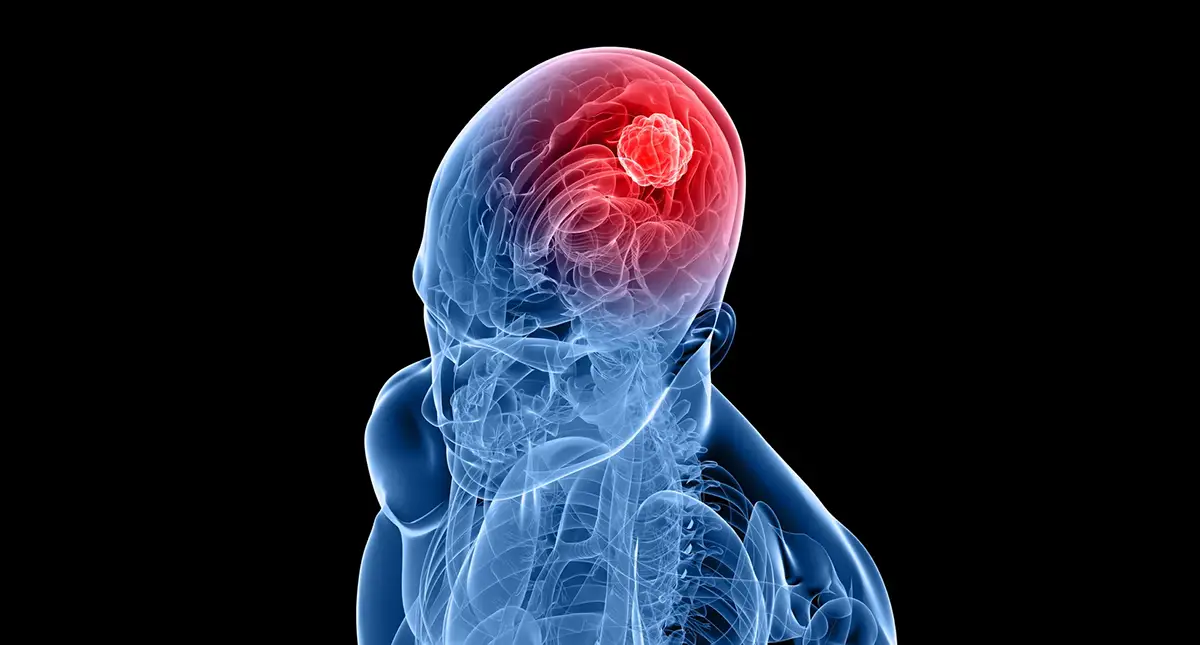



You typically can’t feel a brain tumor as a lump, but you may notice symptoms from pressure or irritation in the brain—such as headaches that change, seizures, vision or speech changes, one-sided weakness, or balance problems—that should be evaluated.





If you have been dealing with headaches that feel different than your usual pattern, new dizziness, vision changes, or a frightening event like a first-time seizure, it is natural to wonder: can you feel a brain tumor?
Most people cannot “feel” a brain tumor as a physical lump. The brain is protected by the skull, so tumors are not something you can touch from the outside. Instead, symptoms usually come from what the tumor is doing inside the skull—taking up space, causing swelling, or affecting a specific area of the brain that controls speech, movement, vision, memory, mood, or balance. If you are noticing new or progressive neurological symptoms, the safest next step is a medical evaluation rather than trying to self-diagnose.
In general, no. A brain tumor does not create a bump you can feel through the scalp the way you might feel a lump elsewhere in the body. When people say they “feel” a brain tumor, they usually mean they feel its effects: pressure-type headaches, nausea, unsteadiness, or changes in thinking or coordination.
It is also important to know that many symptoms associated with brain tumors overlap with more common problems such as migraines, inner ear conditions, medication side effects, sleep deprivation, or anxiety. Taking symptoms seriously does not mean assuming the worst—it means getting clarity when something is new, worsening, or not explained by your usual health history.
Brain tumor symptoms vary based on the tumor’s location, size, and growth rate. Some develop gradually over weeks or months. Others are noticed suddenly, especially if a tumor irritates the brain and triggers a seizure.
Common symptoms that may prompt an evaluation include:
This list can feel alarming, but a symptom on its own is not a diagnosis. What tends to raise concern is a pattern that is new, progressive, or clearly neurological (for example: one-sided weakness, new speech difficulty, or a first-time seizure).
Most symptoms come from one or more of the following:
Because location matters so much, two people can have tumors of similar size but very different symptoms.
If symptoms are persistent, progressive, or interfering with daily life—sleeping, driving, working, walking, or using your hands—schedule an evaluation. Many people start with their primary care clinician, but a neurosurgeon may be involved when imaging shows a structural brain issue or when symptoms suggest a condition that needs specialized care.
Seek urgent or emergency care for any of the following:
These symptoms can have multiple causes, but they should be evaluated right away.
Evaluation typically starts with a neurological exam and brain imaging. MRI is commonly used because it provides detailed images of brain tissue. CT may be used in urgent situations or as a first step depending on the scenario.
If a mass is found, the next questions are usually: what is it likely to be, where is it located, and what is the safest way to manage it? Depending on your situation, your care team may discuss:
For a broader overview of how decisions are made, visit our page on brain tumor treatment.
Treatment depends on whether a tumor is benign or malignant, its size and location, and whether it is growing or causing symptoms. Your overall health and goals also matter.
Many patients hear about three major categories of treatment:
When anatomy and tumor type allow, modern approaches may reduce disruption to healthy tissue. Learn more about minimally invasive brain tumor surgery and how surgical technique can influence recovery planning.
If you have been told the tumor may be a meningioma (a commonly benign tumor that arises from the lining around the brain), you can also review our pages on meningioma treatment and meningioma surgery.
The hardest part for many patients is living in the space between symptoms and answers. If you are worried about what you are feeling—or you already have imaging that shows a brain mass—meeting with a neurosurgeon can help you understand what the finding means, what needs attention now, and what can be monitored.
At Yashar Neurosurgery, Parham Yashar, MD provides brain tumor evaluation with an emphasis on clear communication and careful surgical judgment. If surgery is recommended, you should expect a straightforward discussion of the goals of surgery, the alternatives, and the realistic risks and benefits for your specific situation.
If you are searching for the best brain surgeon Los Angeles patients can consult for thoughtful brain tumor care and modern surgical options, call Yashar Neurosurgery at (424) 209-2669 to schedule an appointment at 8436 W. 3rd Street, Suite 800, Los Angeles, CA 90048.




Please complete and submit the form below and a member of our staff will contact you shortly.