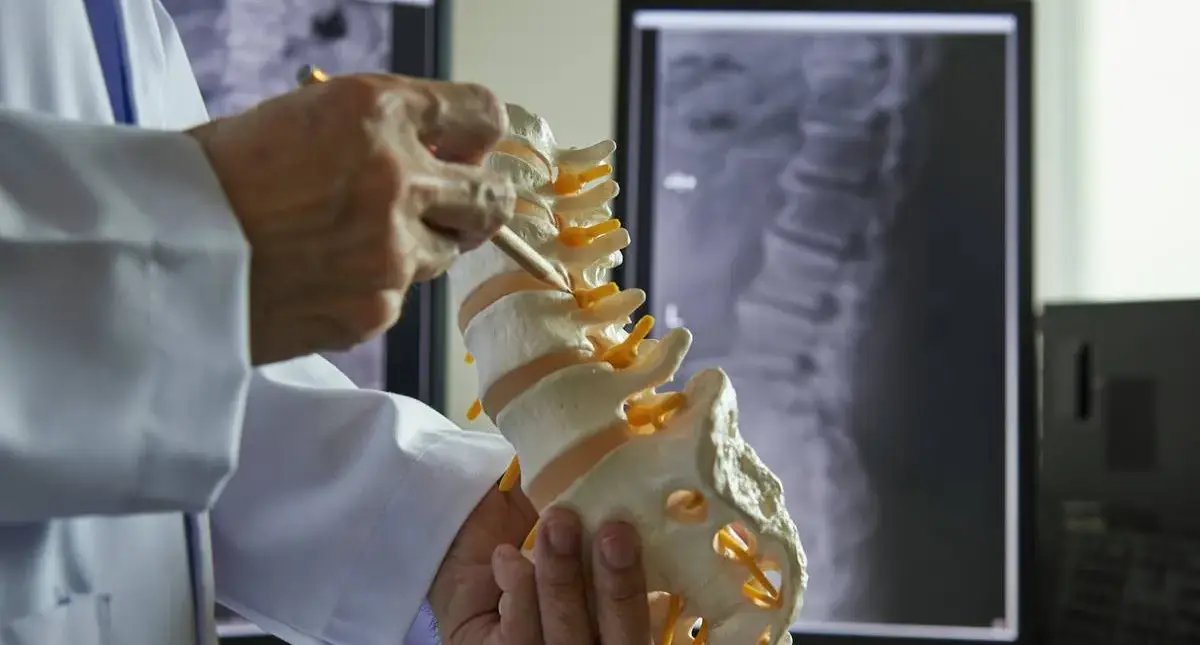



A practical, patient-friendly guide to nutrition choices that may support comfort, strength, and recovery in degenerative disc disease—plus when to seek spine specialist care.





Living with degenerative disc disease can feel like your back (or neck) has a shorter fuse than it used to. Maybe you wake up stiff, your low back tightens up after a long drive across Los Angeles, or you notice flare-ups after lifting laundry or sitting at a desk. While nutrition will not “repair” a worn spinal disc, it can support the tissues that help your spine function day to day—your muscles, bones, and inflammatory response.
This guide explains realistic nutrition strategies for people with degenerative disc disease treatment plans, including what to prioritize, what to limit, and how to make changes you can actually maintain—especially on painful days.
Spinal discs sit between the vertebrae and act like cushions and shock absorbers. With age—and sometimes injury, repetitive strain, or genetics—discs can lose water content and height, and the outer ring can develop small tears. These changes may contribute to back or neck pain, stiffness, and activity-related flare-ups. In some cases, disc changes can irritate nearby nerves and lead to symptoms that travel into an arm or leg.
It’s also common for imaging findings and symptoms to not match perfectly. Some people have “degenerative” changes on MRI and minimal pain, while others have significant symptoms. That’s one reason a complete plan matters: the goal is to connect your symptoms, exam, and imaging and then tailor treatment accordingly.
Nutrition doesn’t work like a pain medication. You won’t eat one “magic” food and feel better tomorrow. But consistent food choices can influence several factors that matter when you’re managing chronic spine symptoms:
If you’re trying to use nutrition to support your spine, aim for a repeatable pattern you can stick with, not a strict short-term diet.
The best “spine diet” is usually just a nutrient-dense, balanced approach that supports muscle, bone, and overall health. Start with these categories and build them into meals you already like.
Vegetables provide vitamins, minerals, and fiber that support whole-body health. They’re also an easy way to improve meal quality without relying on processed foods—helpful if pain has changed your routine or activity level.
Easy options include:
If joint wear-and-tear is part of your picture, these basics pair well with a broader plan for osteoarthritis treatment.
Whole grains can support steadier energy and better satiety compared to refined carbohydrates. Many patients notice that more stable energy makes it easier to keep up with the low-impact activity and physical therapy that often help disc-related pain.
Practical choices include:
Fruit is a simple way to add nutrients and fiber—especially when appetite is low or cooking feels like too much. Focus on variety across the week instead of chasing one “superfruit.”
Options that are easy to keep on hand:
Fat helps you absorb certain nutrients and can make meals more satisfying. Many people do well emphasizing unsaturated fats as part of an overall balanced pattern.
Common sources include:
When pain limits activity, it’s easy to lose muscle over time, which can make the spine work harder. Protein supports muscle maintenance and recovery, especially when paired with targeted strengthening.
Examples include:
You don’t need perfection. But some patterns commonly make symptom management harder—either by displacing nutrient-dense foods or by affecting energy and sleep.
If you have diabetes, kidney disease, gastrointestinal conditions, or you take blood thinners, check with your clinician before making major dietary changes or adding supplements.
Most plans fail because they demand too much effort. These approaches keep things realistic:
It’s also worth knowing that disc degeneration can overlap with other structural causes of pain or leg symptoms. For example, spinal stenosis can narrow the space for nerves and contribute to pain, numbness, or walking limits.
Consider an evaluation if your symptoms are lasting longer than expected or starting to shrink your day-to-day life. Common reasons to be seen include:
A spine specialist can help confirm what’s driving your symptoms and whether something else is contributing—such as joint arthritis or a bone spur treatment issue affecting nearby nerves. If you’re sorting through multiple possible causes, our overview of spine conditions can help you understand how these problems overlap.
Degenerative disc disease can be frustrating because it often affects the basics: sitting comfortably, getting through a workday, exercising, and sleeping through the night. Nutrition can support resilience, but meaningful improvement usually comes from an accurate diagnosis and a plan that fits your anatomy, lifestyle, and goals.
At Yashar Neurosurgery, Parham Yashar, MD provides patient-focused spine care for people throughout Los Angeles and for patients traveling to Southern California. If you want a clear explanation of what your imaging means, which non-surgical options are worth trying, and whether you may be a candidate for minimally invasive spine surgery, our team can help you take the next step. To schedule an evaluation, call (424) 209-2669 or visit our spine surgery page to learn more about treatment options.




Please complete and submit the form below and a member of our staff will contact you shortly.