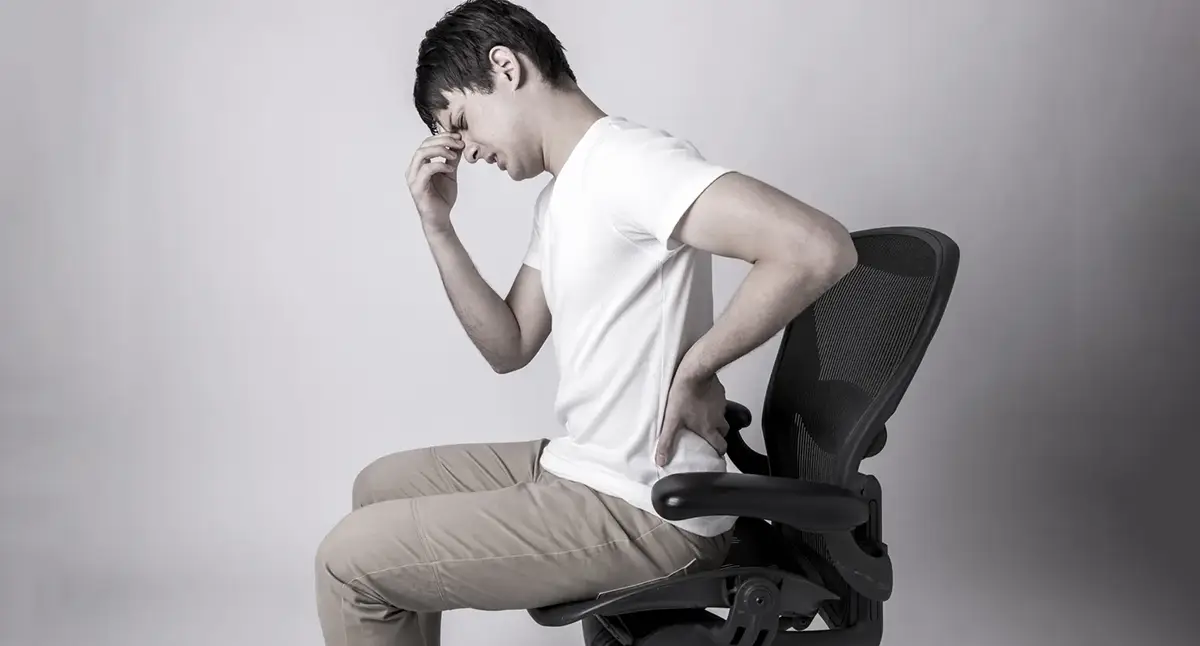





You may not be doing anything “extreme” when a herniated disc flares. It can happen while loading the dishwasher, picking up a small box from the floor, or sitting through a long commute. When a disc irritates a nearby nerve, ordinary movements that increase pressure on the spine can trigger sharp back pain, leg pain, tingling, or a feeling of weakness that makes you cautious with every step.
This article walks through the most common activities to avoid with a herniated disc and, just as importantly, what to do instead so you can protect your back without becoming afraid to move. If your symptoms are persistent or traveling into an arm or leg, start with a clear diagnosis and a plan for herniated disc treatment.
Why Certain Movements Flare a Herniated Disc
Spinal discs sit between the vertebrae and act like cushions and shock absorbers. Each disc has a tougher outer ring and a softer center. A herniated disc occurs when part of that inner material pushes out through a weak spot in the outer layer. The disc itself can be painful, but symptoms often become more intense when the herniation irritates or compresses a spinal nerve.
That nerve irritation explains why pain does not always stay in your back or neck. In the low back, a herniation can cause pain that travels into the buttock and down the leg—often described as sciatica treatment concerns. In the neck, a herniation can send symptoms into the shoulder, arm, or hand.
Movements that commonly increase symptoms share a pattern: they repeatedly load the spine, put the spine into deep bending or twisting, or add sudden impact. Avoiding those stressors for a period of time can help calm inflammation around the nerve while you rebuild strength and control.
Daily Activities That Commonly Make a Herniated Disc Worse
You do not need to stop living your life. But if you keep doing the same motion that triggers symptoms, the nerve can stay irritated and recovery can drag out. These are the activities that most often cause setbacks.
Heavy Lifting (Especially from the Floor)
Lifting is risky when your spine is rounded and the weight is far from your body. Even “medium” loads can be a problem if you lift quickly, twist while lifting, or carry unevenly.
- Picking up laundry baskets, cases of water, and pet food bags
- Moving furniture or lifting boxes during a move
- Repeatedly lifting a child or grandchild without using your legs
If lifting cannot be avoided, keep the object close, bend at the hips and knees, brace your trunk, and avoid twisting. Turn your whole body with your feet instead of rotating through the spine.
Repetitive Bending and Reaching During House Chores
Many chores combine forward bending with reaching and rotation, which can be especially provocative for lumbar disc symptoms.
- Vacuuming, mopping, sweeping, or raking
- Loading and unloading the dishwasher
- Making beds, especially tucking corners
- Hand-washing dishes in a low sink
Consider short-term adjustments: use long-handled tools, raise the work surface when possible, and break tasks into smaller sessions. If a chore consistently triggers leg or arm symptoms, it is reasonable to ask for help while you recover.
High-Impact Cardio and High-Load Strength Training
Exercise is often part of staying healthy, but the wrong workout at the wrong time can quickly escalate nerve irritation. Impact and heavy spinal loading are common triggers, especially when form breaks down because you are guarding pain.
- Running, sprinting, jumping rope, and plyometrics
- Heavy squats, deadlifts, leg press, or overhead pressing
- Fast-paced classes with repeated bending, twisting, or burpees
Core work deserves a special mention. Some people flare with repeated spinal flexion (certain sit-ups) or intense bracing that spikes back pressure. A rehab plan should feel controlled and progressive, not like you are trying to “push through” nerve pain.
Aggressive Stretching and Painful Yoga Poses
Stretching is not automatically helpful for a herniated disc. Deep forward folds, aggressive hamstring stretches, and strong twisting poses can tug on an irritated nerve or place the spine in positions that reproduce symptoms.
A practical guideline: mild muscle tension can be acceptable; sharp pain, tingling, or pain that shoots farther down an arm or leg is a sign to stop and get guidance. If you are unsure what is safe, a structured plan from a clinician can prevent guesswork.
Gardening, Yard Work, and Caring for Pets
These tasks often involve repeated bending, kneeling, lifting, and twisting—sometimes for long stretches without breaks.
- Weeding and planting while bent forward
- Shoveling, digging, or carrying soil and mulch
- Bending to fill bowls or clean litter boxes
- Lifting large pets or heavy pet food bags
Simple modifications can reduce strain: raise pet bowls, use elevated planters, sit on a gardening stool, and avoid lifting heavy bags until symptoms are under better control.
Long Periods of Sitting (Especially in Cars or Soft Chairs)
Many people with lumbar disc symptoms notice sitting is worse than standing. Slouched sitting can increase pressure on the disc and often stiffens the hips and low back, making it harder to move comfortably when you stand up.
If you have to sit, use lumbar support, keep both feet on the floor, avoid crossing legs for long periods, and take brief standing or walking breaks. For driving, consider a small lumbar roll and stop to walk during longer trips.
What to Do Instead: Safer Ways to Move While You Heal
Most people do better with controlled movement than with prolonged bed rest. The goal is to stay active enough to maintain circulation and reduce stiffness without repeatedly provoking nerve symptoms.
Many patients tolerate (and benefit from) gentle activities such as:
- Short, frequent walks on flat ground
- Swimming or pool walking, if comfortable
- Stationary cycling at an easy pace, if it does not worsen symptoms
Pay attention to what happens later the same day and the next morning. If an activity reliably increases radiating pain, numbness, or weakness, scale back and get evaluated. The right plan should gradually expand what you can do, not shrink it.
When to Get Evaluated for a Possible Pinched Nerve
Some herniated discs improve with time and conservative care, but certain symptoms should prompt a more timely evaluation—especially when nerve function may be affected. Consider seeing a specialist if:
- Pain is persistent and limits walking, working, sleep, or basic daily tasks
- You have tingling, numbness, or weakness in an arm or leg
- Symptoms are worsening despite rest and simple activity changes
- Pain travels down an arm or leg, suggesting nerve irritation
Seek emergency care if you develop sudden loss of bowel or bladder control, numbness in the groin/saddle area, or rapidly worsening weakness. These can be signs of a more serious nerve issue that needs urgent assessment.
If your symptoms fit a nerve pattern, learning more about pinched nerve treatment can help you understand why pain radiates and what options may reduce nerve irritation.
Treatment Options: from Conservative Care to Discectomy
The best treatment plan depends on your symptoms, neurological exam, and imaging. Many patients improve without surgery, especially when care is tailored to the true pain generator and focuses on reducing nerve irritation while restoring safe movement.
Conservative options may include guided physical therapy, activity modifications, and medication strategies to reduce inflammation. When leg pain is a major feature, treating the nerve irritation pattern (rather than only the back pain) often leads to better function and steadier progress.
If a disc herniation is clearly compressing a nerve and symptoms are not improving—or if there is significant weakness—surgery may be discussed. One common option is spinal discectomy surgery, which removes the portion of disc pressing on the nerve to create space for the nerve to recover. When appropriate, a minimally disruptive approach may help reduce tissue trauma and support a smoother return to daily activity. You can learn more about options within minimally invasive spine surgery.
Finding the Best Minimally Invasive Spine Surgeon in Los Angeles for Herniated Disc Care
If you are avoiding chores, cutting back on exercise, or dreading sitting, driving, or sleeping because of radiating pain, you deserve a clear explanation of what is driving your symptoms and what steps are likely to help. At Yashar Neurosurgery, Parham Yashar, MD takes time to connect the dots between your symptoms, exam findings, and imaging, then reviews both nonsurgical options and surgical solutions when needed.
If you are searching for the best minimally invasive spine surgeon in Los Angeles for herniated disc symptoms, our team can help you understand what to avoid right now, what movements are typically safer, and what treatments may realistically move you forward. To schedule an evaluation at Yashar Neurosurgery in Los Angeles, call (424) 209-2669.